Replacing an SVG’s background can produce a correct local preview while visitors continue receiving an older file. Treat the edited image as a new derived asset rather than silently overwriting a familiar URL.
Give the transformation an identity
Record the source identifier, edit operation and processing version. A background rectangle removed from one source should not share an ambiguous result name with a differently edited copy.
The guide remove background from svg explains the visual task. Your delivery pipeline still needs to distinguish the source from the version created by that task.
Choose an intentional cache policy
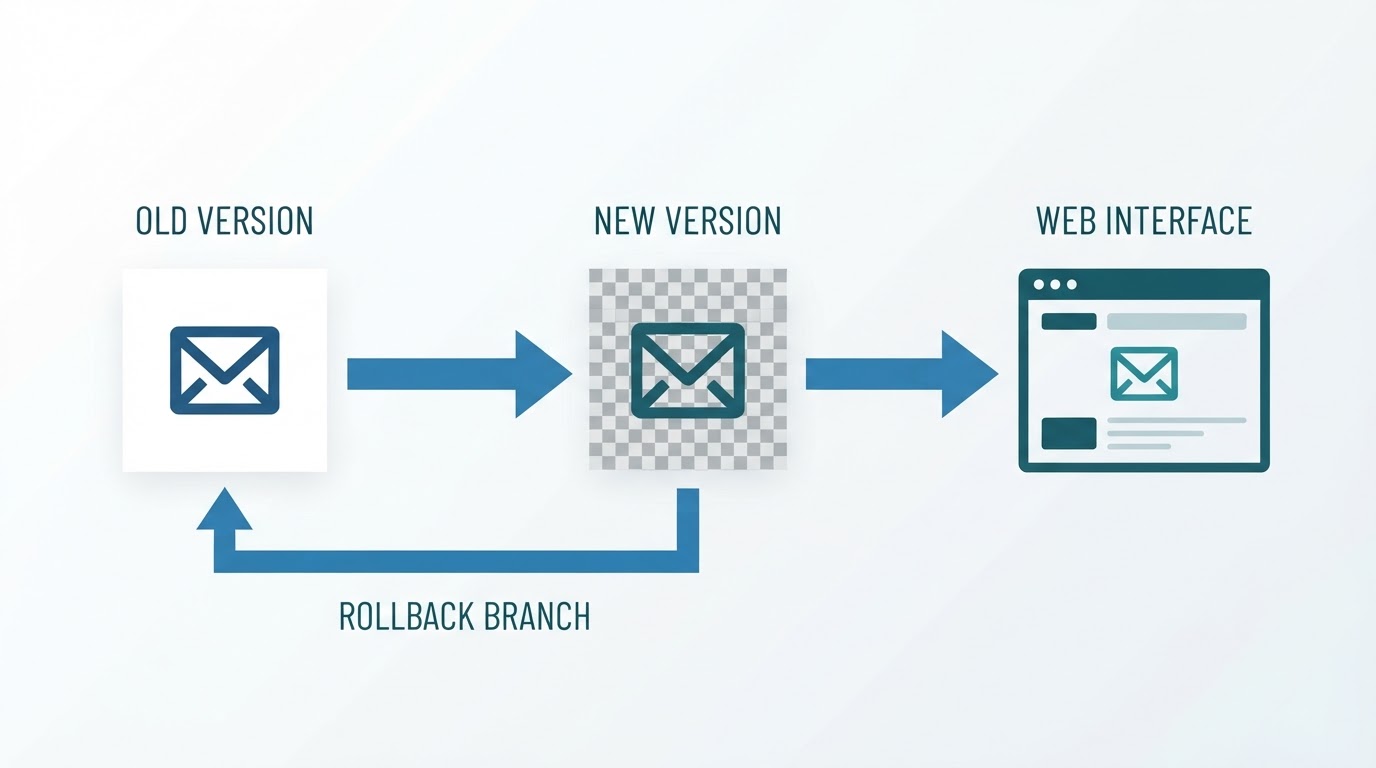
The MDN HTTP caching guide explains cache behaviour and versioned resources. A content-derived filename is one way to give a changed file a different URL. Keep the reference in the page aligned with the new asset.
Do not assume a browser refresh proves every visitor received the replacement. A CDN, an image proxy and a service worker may each affect delivery. Inspect the actual request and response in the environment you support.
Make rollback a reference change
Keep the previous derived asset while the new version is reviewed. Roll back by pointing to the known version, with a record of why. Avoid editing several files under the same name until nobody can identify which bytes were approved.
Finally, compare the local export with the served file. Check appearance and file identity separately. A background edit is complete for users when the intended version reaches the page, not merely when an editor saves it.
Comments
Join the discussionNo comments yet. Be the first to comment.